Best First Cars Under £3,000 in 2026: The UK Buying Guide
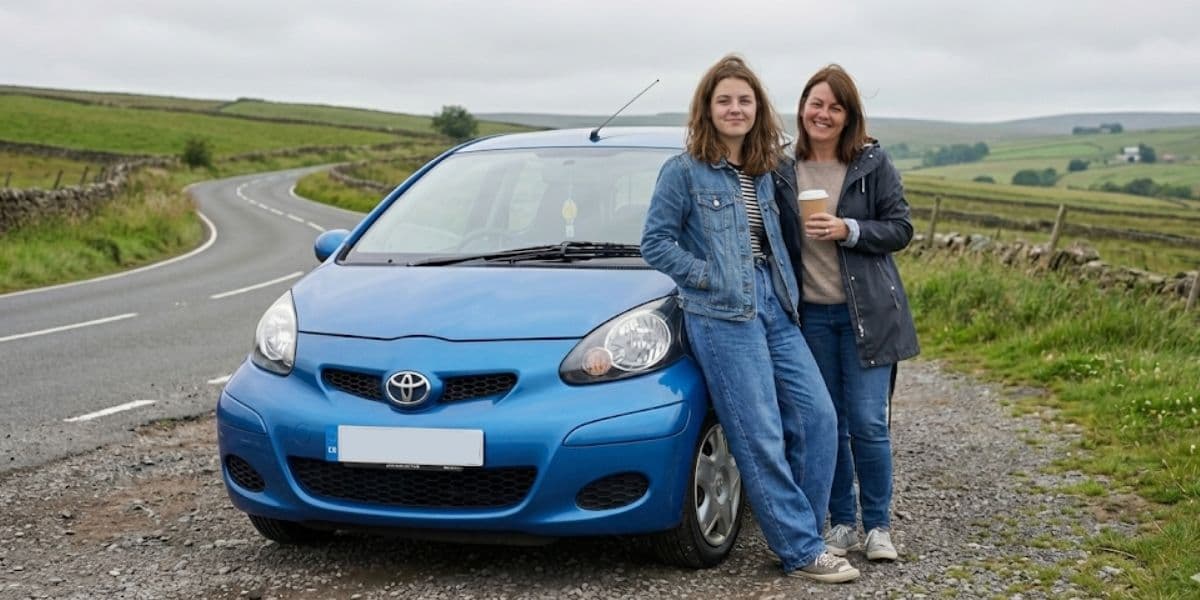
The short version: £3,000 buys a good first car in 2026 if you know where to look. The Hyundai i10 and Toyota Aygo are the cheapest to insure (groups 1-3), cost £0 in road tax and are mechanically simple. If you can stretch to slightly higher insurance groups (7-10), the Toyota Yaris and Honda Jazz are bigger and still reliable long term. Avoid early Ford Fiesta 1.0 EcoBoost engines and Vauxhall Corsa timing chain models unless you know exactly what to check.
What £3,000 gets you in 2026
The used car market has been volatile for the last few years. Between 2020 and 2022, around 2.5 million less cars were built and sold in the UK due to COVID production shutdowns and the global chip shortage. That gap has now created a shortage of five to seven year old cars, pushing £3,000 buyers toward the 10 to 15 year old bracket.
The average price of a 10 to 15 year old car hit £6,949 in early 2026, up 9% year on year according to Autotrader data. So £3,000 puts you at the lower end of that range. You're looking at medium to high mileage examples of reliable hatchbacks, typically 60,000 to 100,000 miles.
That's not a problem if you buy the right car. A well maintained German, Japanese or Korean hatchback with 80,000 miles on the clock is a better bet than a neglected 40,000 mile Corsa. The key is picking a model that's cheap to insure, cheap to fix and has a documented service history.
The real cost of a first car (not just the sticker price)
Before picking a model, understand what you're spending. The purchase price is the smallest part of the first year equation.
| Cost | Typical range (17 year old) |
|---|---|
| Car purchase | £2,000-£3,000 |
| Insurance (comprehensive) | £700-£1,900 |
| Road tax (VED) | £0-£190 |
| Fuel (8,000 miles) | £800-£1,100 |
| MOT + maintenance | £300-£600 |
| Total first year | £3,800-£6,800 |
Insurance is the killer. The average comprehensive policy for a 17 year old in late 2025 was £1,932 according to Compare the Market. The difference between insurance group 2 and group 15 can be £1,000+ per year. That's why every car on this list sits in groups 1 to 10.
A telematics (black box) policy can cut that premium by up to £353 for drivers who demonstrate safe habits. It's worth the trade-off in year one. This is explained in more detail in our First Car Guide.
The best city cars under £3,000
City cars are the sweet spot for this budget. Small engines, low insurance groups, £0 road tax on pre-2017 models.
Hyundai i10 (2008-2019)
The i10 is a top recommendation. Insurance group 1-2, a 1.0 litre Kappa engine that sips fuel at 55-60mpg and a five year manufacturer warranty on newer examples.
For £3,000, you're looking at a 2013-2016 second generation i10 with 40,000-70,000 miles. The second generation (2014 onwards) is the better buy: more interior space, a better ride and more safety equipment including a four star Euro NCAP rating (2014 test).
| Quick facts: Hyundai i10 | |
|---|---|
| Insurance groups | 1-2 |
| Road tax (pre-2017) | £0 (Band A) |
| Fuel economy | 55-60mpg |
| Euro NCAP | 4 stars (2014 test) |
| Best variant | 1.0 SE (2014-2016) |
What to watch: The manual gearbox can develop a crunch going into reverse. Check this on every test drive. The clutch is a known wear item on city driven examples and slippage or a heavy pedal means a £279 replacement bill is coming. Some i10s have an immobiliser fault where the key isn't recognised, which needs dealer reprogramming. Also check the rear brakes: the pads tend to stick to the calipers, causing premature wear.
Toyota Aygo, Peugeot 108 and Citroen C1
These three cars share the same platform and the same Toyota designed 1.0 litre engine. They were built side by side in the same Czech factory. Pick whichever one you find in the best condition for the money.
The Aygo holds its value slightly better (the Toyota badge carries weight at resale), but the Peugeot 108 and Citroen C1 often sell cheaper and have identical mechanicals. All three sit in insurance groups 2-3 and cost £0 in road tax.
| Model | Insurance group | Road tax | Main known issue |
|---|---|---|---|
| Toyota Aygo 1.0 | 2-3 | £0 | Water leaks in boot area |
| Peugeot 108 1.0 | 3 | £0 | Exhaust rattling |
| Citroen C1 1.0 | 2-3 | £0 | Paintwork peeling |
What to watch: Water ingress. Faulty door seals, boot seals and rear light gaskets let rainwater pool in the spare wheel well. Lift the boot floor and check for dampness on every viewing. The clutch on pre-2014 models is undersized and can need replacing as early as 30,000 miles at a cost of £395-£500. Post-2014 models fixed this.
VW Up!, Skoda Citigo and SEAT Mii
The VW Group's city car trio feels a step up from the Aygo and i10. Better interior materials, more stable at motorway speeds and generally feel more wll put together. The Skoda Citigo and SEAT Mii are the smart buys here because they're mechanically identical to the VW Up! but sell for less due to badge appeal.
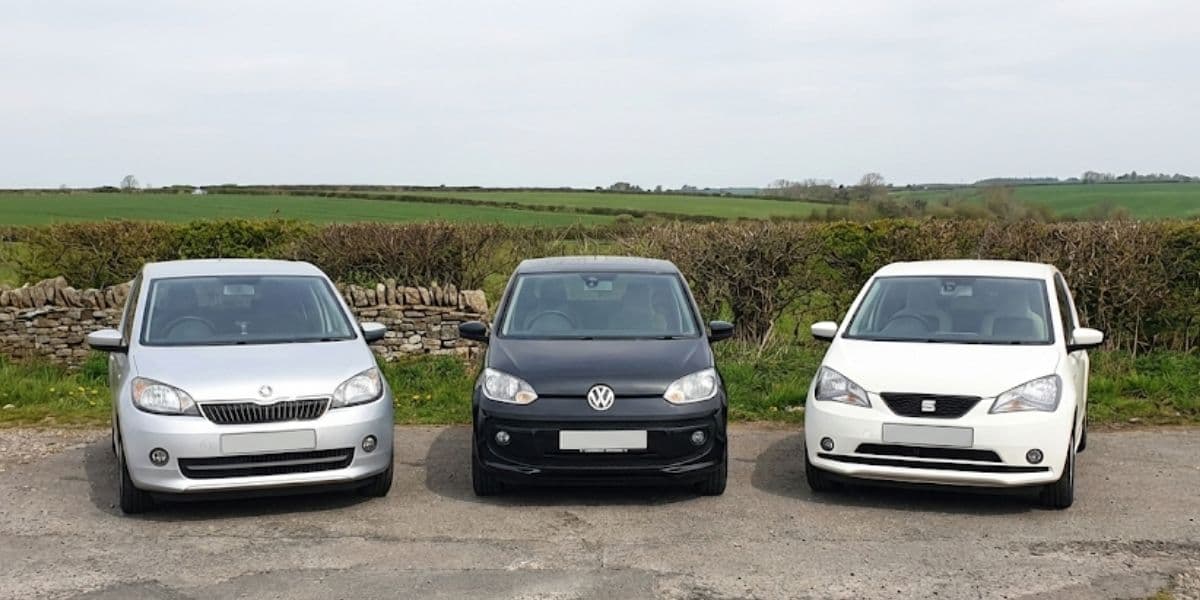
For £3,000 you'll find 2012-2015 examples with 50,000-80,000 miles. All use the same 1.0 litre three-cylinder engine. Insurance groups range from 1-3 depending on trim.
What to watch: A gearbox rattle at idle is common and considered a "characteristic" rather than a fault, but it can be off-putting. Models built in early 2013 were recalled for side airbag reprogramming. Check the recall history on the DVLA website. The air conditioning system is a weak point: condensers are prone to stone chip damage and compressors can fail from 25,000 miles.
The best superminis under £3,000
If your teen needs more space or does regular motorway drives, superminis offer more space and safety for slightly higher insurance groups (4-10).
Ford Fiesta Mk7 (2008-2017)
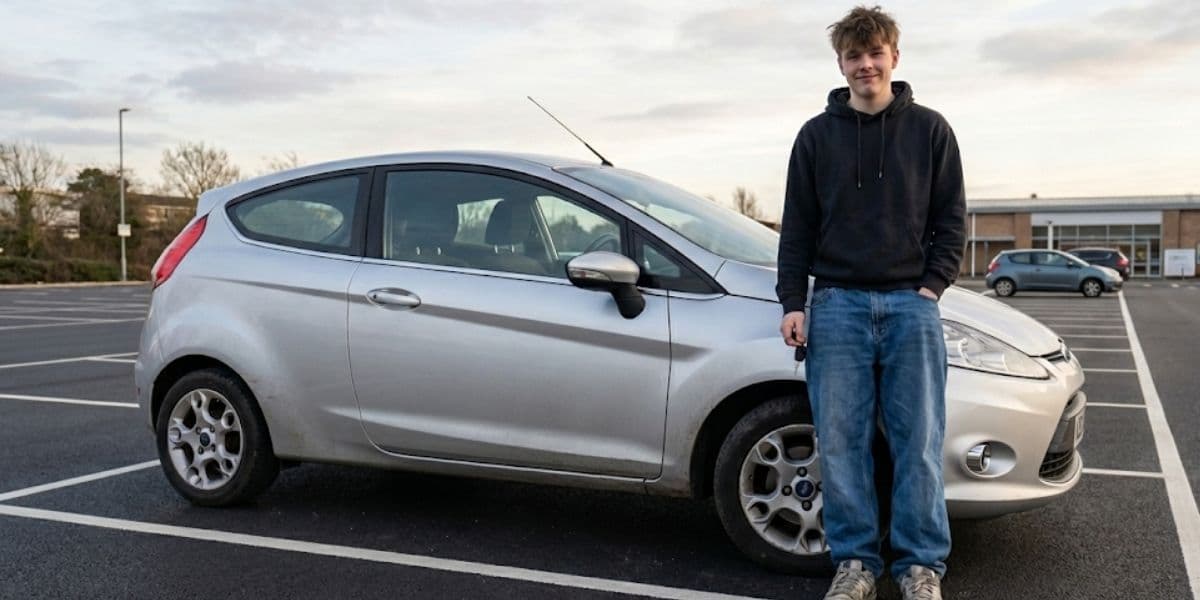
The Fiesta is the UK's most popular used car and there are thousands to choose from at this price. The handling is the best in class and the 1.25 litre Zetec is the engine to buy. Simple, durable and sits in insurance groups 4-6. Read our full Ford Fiesta review.
The EcoBoost warning
Do not buy an early 1.0 litre EcoBoost (2012-2016) at this price point. The EcoBoost uses a wet timing belt submerged in engine oil. If the oil isn't changed on schedule (or the wrong oil is used), the belt degrades and sheds debris into the oil system. The result is total engine failure. Community forums like r/CarTalkUK are full of stories. The 1.25 litre has none of these issues.
Also avoid the PowerShift automatic gearbox. The PowerShift suffers from jerky shifts and mechatronic failure. Stick to manual.
| Quick facts: Ford Fiesta Mk7 | |
|---|---|
| Insurance groups | 4-6 (1.25 engine) |
| Road tax | £20-£30/year (Band B-C) |
| Fuel economy | 40-45mpg |
| Euro NCAP | 5 stars (2012 test) |
| Best variant | 1.25 Zetec (2009-2012) |
What to watch: Knocks over bumps usually mean worn rear axle bushes or front drop links (cheap to fix). Early models were recalled for failing nylon coolant pipes that could crack the cylinder head. Check the recall status before buying.
Vauxhall Corsa D (2006-2014)
The Corsa D is everywhere and that's both its strength and weakness. Parts are among the cheapest in the industry. But the Corsa D has more known issues than most cars on this list.
The 1.2 and 1.4 litre petrol engines are prone to timing chain stretch. A rattling noise on cold start or during acceleration is the warning sign. If ignored, the chain can skip a tooth and destroy the engine. A timing chain replacement costs £300-£700 depending on the garage.
Electrical faults are common too, often traced to a failing Body Control Module or water getting into the wiring loom. Power steering failures (£200-£600 to fix) and handbrake cable snapping are both safety-critical recalls for 2006-2014 models. Read our full Vauxhall Corsa review.
| Quick facts: Vauxhall Corsa D | |
|---|---|
| Insurance groups | 3-6 (1.2 engine) |
| Road tax | £20-£30/year |
| Fuel economy | 40-48mpg |
| Euro NCAP | 5 stars (2006 test) |
| Best variant | 1.2 Design (2010-2014) |
What to watch: Always view a Corsa with the engine cold. Start it yourself and listen for a rattle in the first 10 seconds. That's the timing chain. Check the recall history for steering rack fractures and handbrake cables. Look under the oil filler cap for "mayonnaise" (creamy residue), which indicates coolant mixing with oil and head gasket failure.
Fiesta or Corsa?
Can't decide between these two popular first cars? Check out our detailed Ford Fiesta vs Vauxhall Corsa guide for a deep dive into insurance costs, reliability, and running costs.
VW Polo Mk5 (2009-2017), SEAT Ibiza Mk4 (2008-2017) and Skoda Fabia Mk2 (2007-2014)
Same VW Group underpinnings, different look and feel. The Polo has a nicer interior and holds value better. The Skoda Fabia has a bigger boot (380 litres versus the Polo's 280). The SEAT Ibiza has sportier styling. All are great, the Skoda and SEAT versions are better value.
They all use the same 1.2 litre three-cylinder engine in the budget bracket. The 1.2 is reliable but underpowered on fast roads. Avoid the 1.2 TSI turbo versions: they burn oil and have turbocharger problems if not serviced properly. And steer clear of the seven speed DSG automatic, which was recalled for electrical shorts in the mechatronic unit.
The reliability picks: Japanese and Korean cars under £3,000
If keeping repair bills low is the top priority, these models consistently top reliability surveys.
Toyota Yaris Mk3 (2011-2020)
The Yaris regularly tops used car reliability surveys and the 1.33 litre VVT-i engine uses a timing chain (not a belt), removing one of the biggest failure risks for high-mileage cars.
For £3,000, you're at the earlier end of the Mk3 range: 2011-2014 models with 60,000-90,000 miles. Insurance groups range from 6-9.
What to watch: Pre-2015 Yaris models can burn oil. Check the level every 1,000 miles and look for blue smoke on startup. Front strut top mountings can clunk (subject to a 2016 recall). The Yaris is surprisingly one of the most stolen small cars in the UK, so check the insurance implications for your postcode.
Honda Jazz Mk2 (2008-2015)
The Jazz is the cult favourite of anyone who values practicality over looks. The "Magic Seats" flip the rear seat bases up to create a tall cargo space. No other car in this class can do that.
The Jazz consistently rates as one of the most reliable small cars ever made. Because the Jazz is popular with older drivers, 'deceased spec' used examples often come with full service histories and gentle mileage profiles. That's a buying advantage at this price point.
The 1.2 litre engine sits in insurance groups 7-9. The 1.4 litre reaches group 14, so stick with the smaller engine.
| Quick facts: Honda Jazz Mk2 | |
|---|---|
| Insurance groups | 7-9 (1.2 engine) |
| Road tax | £20-£120/year |
| Fuel economy | 48-55mpg |
| Euro NCAP | 5 stars (2008 test) |
| Best variant | 1.2 i-VTEC SE (2009-2012) |
Suzuki Swift (2010-2017)
The Swift (like the Fiesta) is a fun option. Sharp steering, light chassis and engaging to drive without the high insurance groups of "sporty" labelled cars. The 1.2 litre Dualjet in SZ2 or SZ3 trim falls into insurance groups 9-11 and sits in road tax band C (£35) or D (£120) for pre-2017 models.
Avoid the 1.6 litre Swift Sport. The Swift Sport sits in insurance group 19 and will blow the budget on premiums alone.
Safety: what the Euro NCAP stars mean
A five star rating from 2008 is not the same as five stars from 2024. Euro NCAP changed its testing methods in 2014 to include electronic safety aids like stability control and autonomous emergency braking. An older five star car may have less crash protection than a newer four star one.
Something worth knowing: the 2020 Euro NCAP test of the Hyundai i10 revealed a "submarining" effect where the driver's pelvis slips under the lap belt in a frontal crash. The i10 scored "poor" for abdominal protection. A bigger, older car like a VW Polo or Ford Fiesta may be structurally safer despite having less electronic safety tech.
For parents, this means a slightly larger supermini with a five star rating from 2012+ is often a safer bet than a brand new city car with a four star rating.
How to buy well at £3,000
At this budget, how you buy matters as much as what you buy. The MOT history is the single best tool you have.
Read the MOT history first
Every car's MOT history is free to check on the government's MOT check website. Look for patterns and rust, not individual fails. Check for advisories not repeating year after year. You want a car from a previous owner that kept on top of maintenance. A car that only fails for an occasional bulb but consistently passes brakes and suspension has been looked after.
The viewing checklist
- Cold start. Always view a car when the engine is cold. A timing chain rattle (common on the Corsa), starter motor issues and rough idle all hide once the engine warms up.
- Under the oil cap. A creamy, mayonnaise-like residue under the oil filler cap means coolant is mixing with oil. That's head gasket failure. Walk away.
- Clutch test. With the handbrake on, try to pull away in fourth gear. If the car doesn't stall immediately, the clutch is slipping and needs replacing.
- Service book. A stamped service book is more valuable than a low mileage reading. Mileage can be clocked. Service stamps are harder to fake.
- Recall check. Use the DVLA recall checker. Make sure all recall work has been completed, especially Takata airbag recalls and steering component recalls on the Corsa.
Where insurance gets expensive (and how to bring it down)
Insurance costs vary wildly by region. London averages £1,478 per year for young drivers. The South East averages £928. The North East sits at £966. Where you live matters more than which group 1-3 car you pick. This is explained in more detail in our Insurance Groups Explained guide.
Telematics (black box) policies are a must-have for first year savings. They can cut premiums by over £1,000. After building one or two years of no-claims discount, most young drivers switch to a standard policy.
Road tax and ULEZ: the hidden costs
Cars registered between March 2001 and March 2017 are taxed on CO2 emissions. Most 1.0 litre city cars fall into Band A (£0) or Band B (£20). Bigger engines in 1.4 or 1.6 litre superminis can cost £165-£200 per year.
Cars registered after April 2017 pay a flat rate of £190 per year regardless of emissions. At this budget, most cars will be pre-2017, so the CO2-based system works in your favour.
ULEZ and Clean Air Zones: If you have to drive into city center Clean Air Zones, your car must be compliant to avoid a charge or fine. For petrol cars, that means Euro 4 emissions standard, which covers most cars built after 2005. Diesel cars need Euro 6 (generally post-2015), which is hard to find under £3,000. Stick with petrol if you drive in cities.
The comparison table
| Car | Insurance groups | Road tax | Fuel economy | Euro NCAP | Biggest risk |
|---|---|---|---|---|---|
| Hyundai i10 (2014+) | 1-2 | £0 | 55-60mpg | 4 stars (2014) | Clutch wear, immobiliser faults |
| Toyota Aygo (2014+) | 2-3 | £0 | 55-65mpg | 4 stars (2014) | Water leaks, early clutch wear |
| VW Up!/Citigo/Mii | 1-3 | £0-£20 | 50-58mpg | 5 stars (2012) | Aircon failure, airbag recall |
| Ford Fiesta 1.25 | 4-6 | £20-£30 | 40-45mpg | 5 stars (2012) | Coolant pipe recall, suspension wear |
| Vauxhall Corsa D | 3-6 | £20-£30 | 40-48mpg | 5 stars (2006) | Timing chain stretch, electrical faults |
| Toyota Yaris | 6-9 | £20-£30 | 45-55mpg | 5 stars (2011) | Oil consumption (pre-2015) |
| Honda Jazz | 7-9 | £20-£120 | 48-55mpg | 5 stars (2008) | Higher insurance groups |
| Suzuki Swift | 9-11 | £20-£30 | 48-56mpg | 5 stars (2010) | Insurance groups above 10 in some trims |
The bottom line
The smartest approach at this budget: buy a car in insurance groups 1-5 with a documented service history and clean MOT record. The Hyundai i10 and Toyota Aygo are the lowest risk, lowest cost choices. The Honda Jazz and Toyota Yaris are better cars if you can accept insurance groups 7-9.
Whatever you pick, spend as much time reading the MOT history as you do browsing the classifieds. A well maintained car with 80,000 miles will serve you better than a neglected one with 40,000. If you have more budget to play with, see our full first car guide for options up to £12,000.
Got your shortlist?
The First Car Guide covers what to check when viewing, how to structure the insurance and how to negotiate the price. Free download.